

I am reading John Cassidy’s Capitalism and Its Critics. The book is giving me a historical bridge between economic theory and the world that produced it. It has somehow succeeded at taking me back to being a student of economics, and connecting theory, yet again, to practise.
The historical narrative primarily begins around 1770, marking the dawn of the Industrial Revolution. It moves through merchant capitalism, colonial companies, slavery, wage labour, factories, industrialization, crises, technology, empire, dependency theory, globalization, and all the way to present day artificial intelligence.
Perhaps my favorite part [biases considered]: the book includes women like Anna Wheeler, Flora Tristan, Rosa Luxemburg, Joan Robinson, and Silvia Federici. Cassidy specifically discusses female factory workers and Federici’s argument that unpaid domestic labour is essential to reproducing the capitalist workforce.
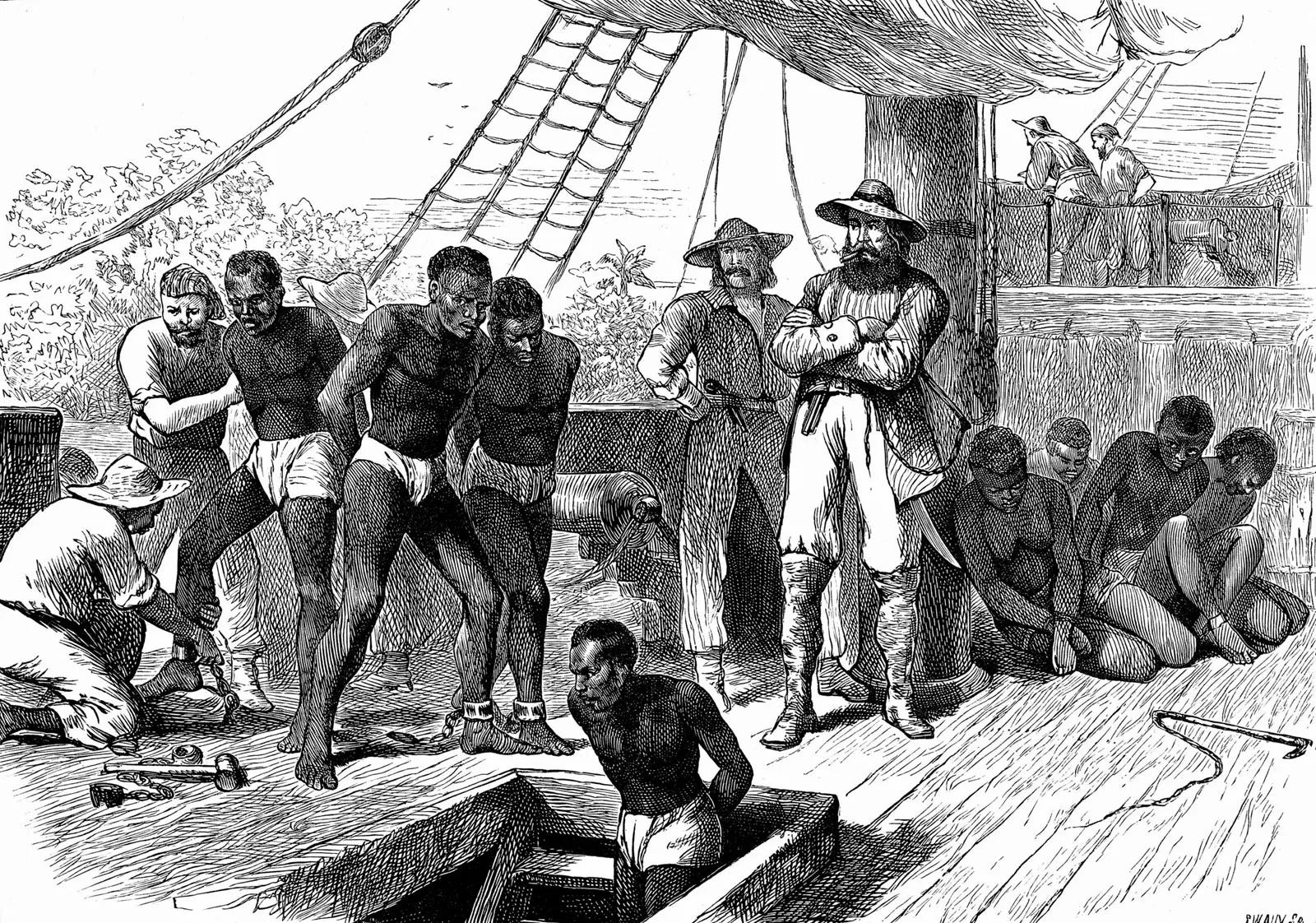
African economies inherited systems shaped by extraction, fragmented production, weak industrial bases, imported curricula, interrupted political continuity, and young populations trying to enter a global economy already shaped by others.
These conditions in present day still influence how African countries produce, trade, educate, govern, and imagine development.
Rethinking economics in Africa therefore requires more than just policy adjustment. It requires a deeper rethinking of how Africans are taught to understand value, production, labour, history, power, institutions, and the global order. The classroom, the farm, the factory, the port, the household, the ministry, the market, and the university all belong in the same conversation.
Economics is often introduced as the study of scarcity and choice. That definition has its place, but it narrows the field too quickly.
Economics is the system through which societies organize value: who owns resources, who works, who is paid, what is produced, what is imported, what is exported, who captures profit, what the state protects, what households reproduce, and how a country sits inside the global order.
Seen this way, economics becomes foundational knowledge. Every university student should encounter it, whether they are studying engineering, tourism, education, public health, agriculture, technology, arts, law, public administration, or business.
Every profession operates inside economic systems. Every sector creates, captures, distributes, or loses value. A university education should prepare students to understand those systems with historical, institutional, and practical clarity.
Africa needs people who can model policy and understand dignity. People who can read balance sheets and still care about the village. People who can build industries without reproducing extraction. People who can govern systems without forgetting humans.
That, to me, is the real work.
Listen to the full podcast, or read the full article via my blog byntha.com


