

Growing up in Malawi, “Made in China” was rarely understood as a compliment.
The phrase suggested something cheap, something temporary, something that might break sooner than expected. If a product was Made in China, it was often viewed as an inferior alternative to goods from Europe, America, or Japan. The label became a shorthand for low quality.
Looking back, that perception is remarkable.
Today, China is one of the most important industrial and technological powers in the world. Chinese companies compete directly with some of the most powerful firms on earth.
Huawei has become a global force in telecommunications and consumer technology. BYD has emerged as a serious competitor in electric vehicles. DJI dominates large segments of the global drone market. China leads in batteries, renewable energy manufacturing, and increasingly artificial intelligence infrastructure.
The country that was once associated with cheap manufacturing is now associated with industrial capability.
After reading Patrick McGee’s Apple in China, I found myself thinking less about Apple and more about how that transformation occurred.

While the book is presented as the story of Apple’s relationship with China, it is ultimately a story about development. More specifically, it is a story about how countries learn.
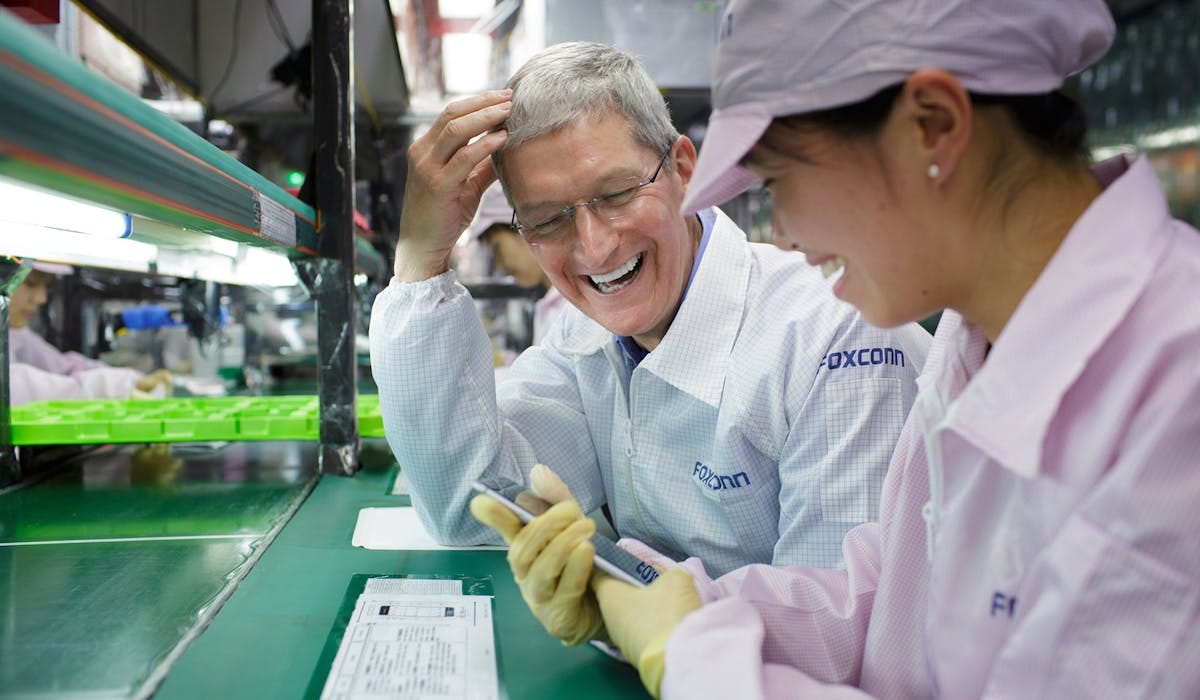
One of the book’s most important insights is that Apple did not simply use China. In many ways, Apple helped build China.
Conventional narratives often describe the relationship as one in which China provided cheap labour and manufacturing capacity while Apple captured the value through design and innovation. There is truth in that interpretation, but it is incomplete.
Listen to the full podcast, or read the full article via my blog byntha.com


